Hidden Piers in Photos

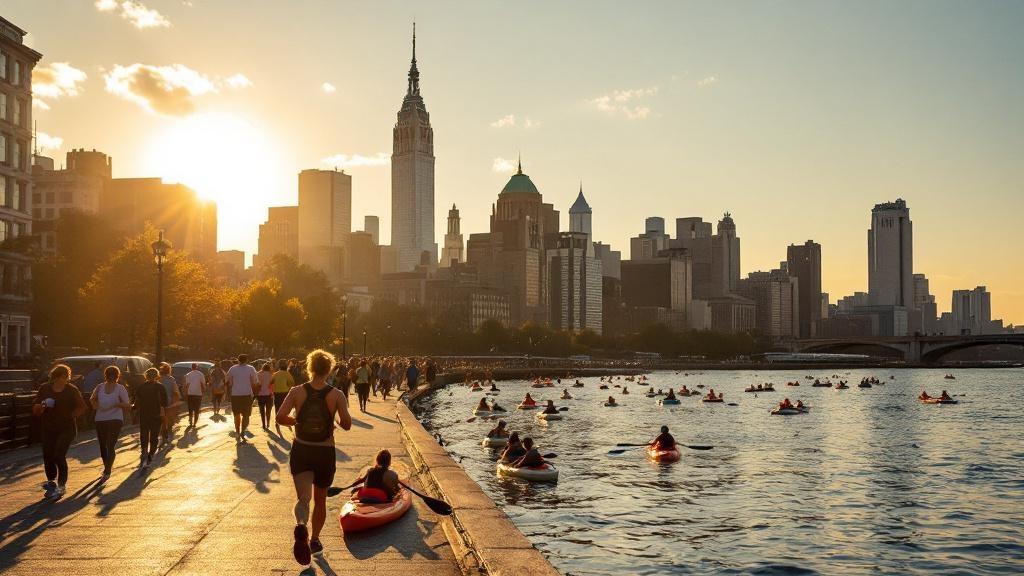
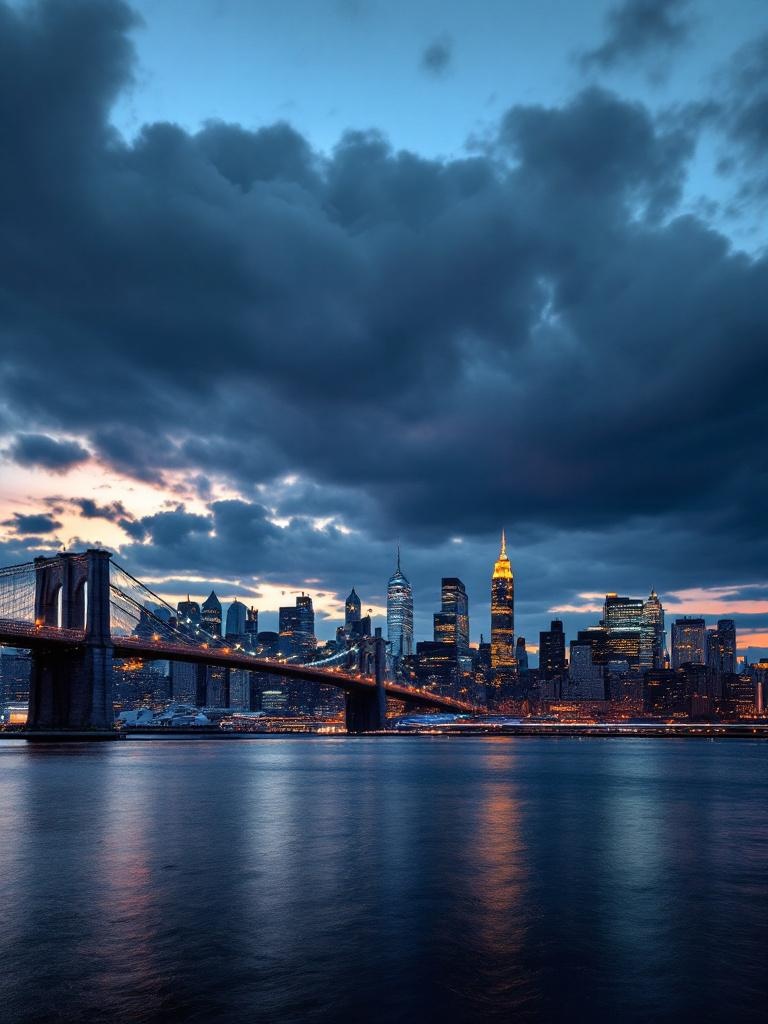
New York has more than 20 pier structures that most visitors and many locals never find. Six of them are worth going out of your way for.
The famous piers, Pier 45, Pier 57, Pier 17 in the Seaport, get the coverage. The less-documented structures require more effort to find and reward it. This collection covers six pier locations across three boroughs that offer a different quality of waterfront experience: less crowded, less managed, and often more honest about what it means to be at the edge of the water in New York City.
Each of these locations is publicly accessible, free to visit, and open year-round except where noted. The descriptions include specific access information because several of these sites are not signposted and require knowing where to look.
Pier A, Battery Park
The oldest surviving pier structure in Manhattan, built in 1886 as the headquarters of the Department of Docks and Ferries. The clock tower was added as a memorial to World War I veterans. The pier now houses a bar and restaurant, but the exterior dock is publicly accessible and the view of New York Harbor from this position, looking east toward the Statue of Liberty and south toward the Verrazzano, is among the most dramatic available at ground level anywhere in the city.
Valentino Pier, Red Hook, Brooklyn
A small but significant pier in the Red Hook neighborhood of Brooklyn, Valentino Pier offers a view of New York Harbor that most Manhattan visitors never encounter. The pier looks west across the Upper Bay toward the Statue of Liberty, Ellis Island, and the distant New Jersey shore. The Red Hook neighborhood surrounding it is industrial in character and not on standard tourist circuits, which keeps the pier uncrowded even on good-weather weekends. The B61 bus reaches it from Carroll Gardens or Downtown Brooklyn.
Hunter's Point South, Long Island City, Queens
The pier and waterfront park at Hunter's Point South in Long Island City faces west across the East River to the Midtown Manhattan skyline. From this position, the Empire State Building, the Chrysler Building, and the United Nations complex are visible in the same sightline. The distance is close enough to read the building facades clearly but far enough to see the full skyline as a composition. The 7 train to Vernon Boulevard / Jackson Avenue or the 7 to Court Square connects to this location. The park opened in phases from 2013 onward and includes waterfront lawns, a playground, and a zigzag fishing pier that extends into the river.
Barretto Point Park, Hunts Point, The Bronx
Barretto Point Park is the southernmost public waterfront access in the Bronx, at the tip of the Hunts Point peninsula where the Bronx River meets the East River. The park is small and its fishing pier is genuinely used by neighborhood residents for fishing rather than tourism. The view south down the East River is long and unobstructed. Getting there requires the 6 train to Hunts Point Avenue and then a 20-minute walk or a short bus ride, which is why the location stays quiet. Open daily. No entry fee.
Mariner's Marsh, Staten Island
On the western shore of Staten Island, Mariner's Marsh Park preserves a section of tidal marsh and shoreline that has changed very little since the colonial period. There is no developed pier here in the conventional sense, but the waterfront access points along the old shoreline path put you at the edge of the Kill Van Kull, the waterway between Staten Island and New Jersey, with cargo ships and tankers passing at close range. The scale of the vessels against the relatively undeveloped shoreline is surprising: these are not small boats. The Staten Island Ferry connects to St. George, from which it is a 20-minute bus ride to the park entrance.
Pugsley Creek Park, Pelham Bay, The Bronx
At the eastern edge of Pelham Bay Park, Pugsley Creek drains into the East River at a small beach area and dock that most visitors to the park, which is large and draws mainly to the main beach at Orchard Beach, never find. The view here looks northeast across the Long Island Sound toward the Connecticut shore, which is visible on clear days as a low green line on the horizon. The quality of light on the sound in late afternoon is exceptional, and the location is quiet enough that you can hear the water. 6 train to Pelham Bay Park, then a long walk or bike ride through the park to the eastern shoreline.
These locations share a quality that the famous piers do not: the sense that you have arrived somewhere the city has not yet fully processed. The water is the same water. The light is the same light. The difference is in how many other people are watching it with you.