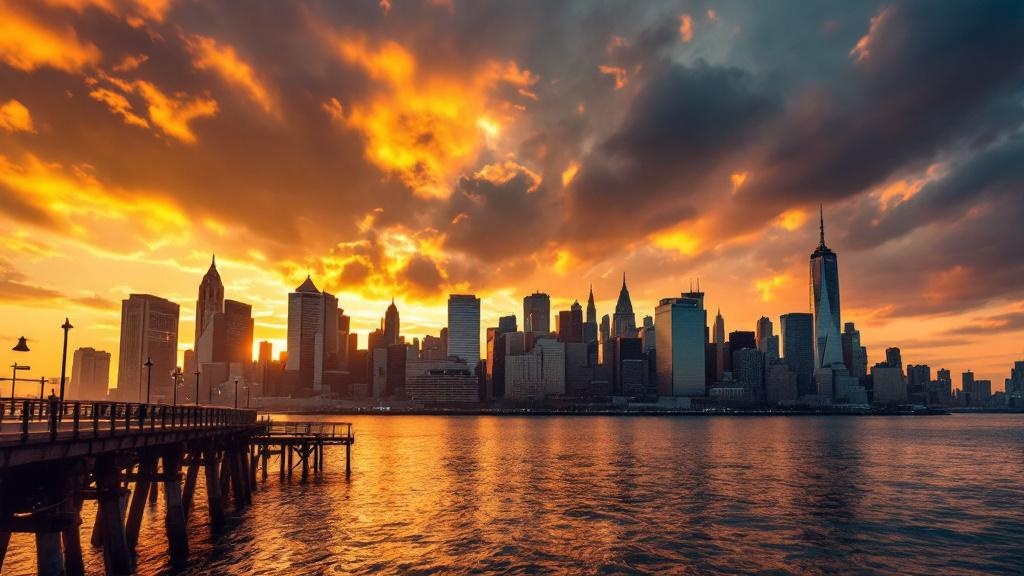
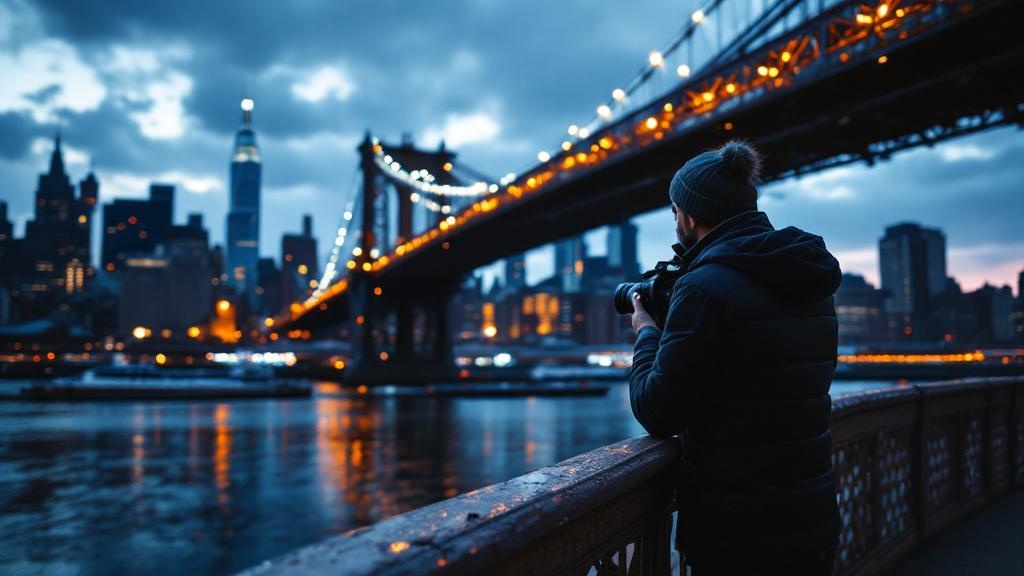
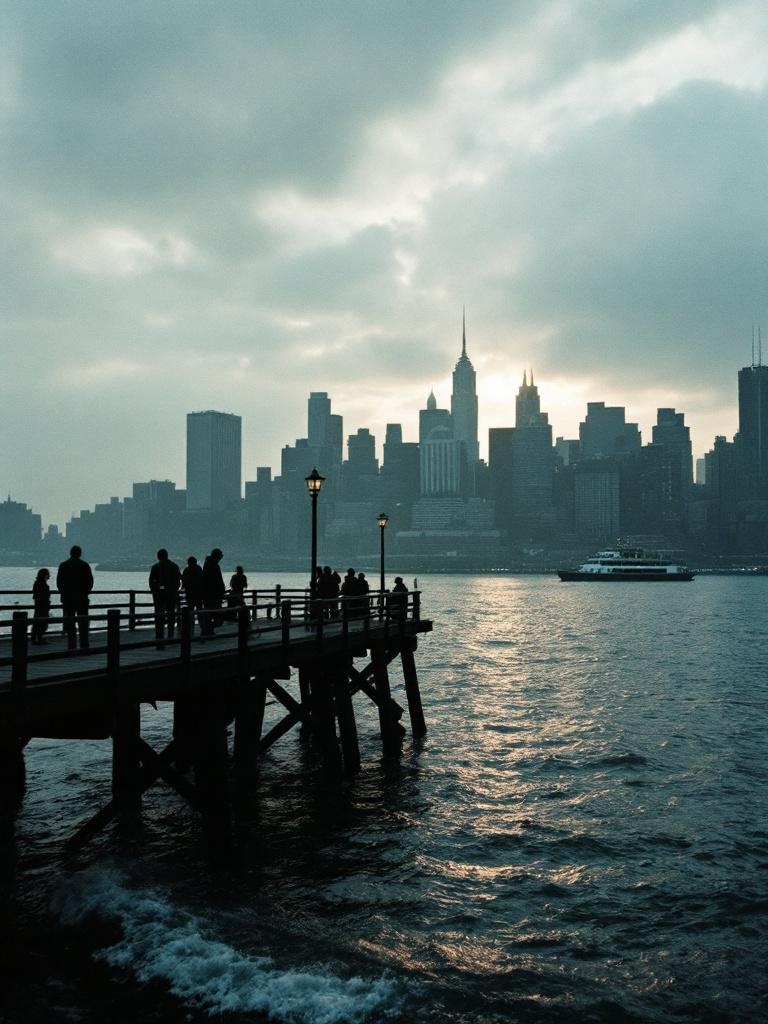
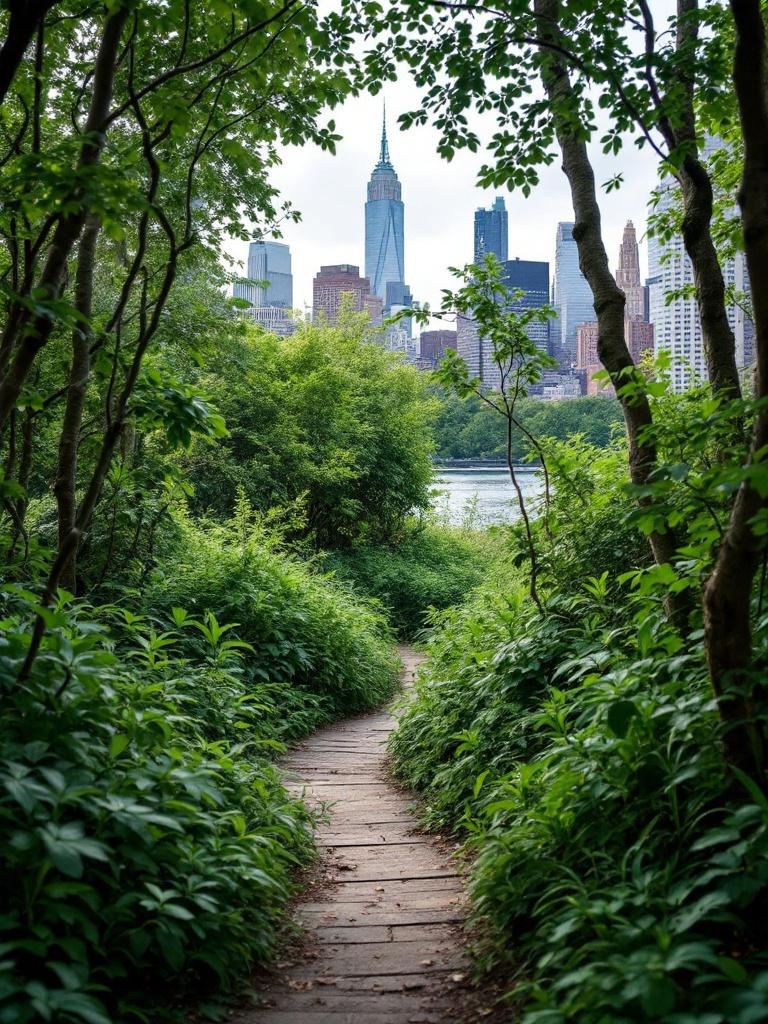
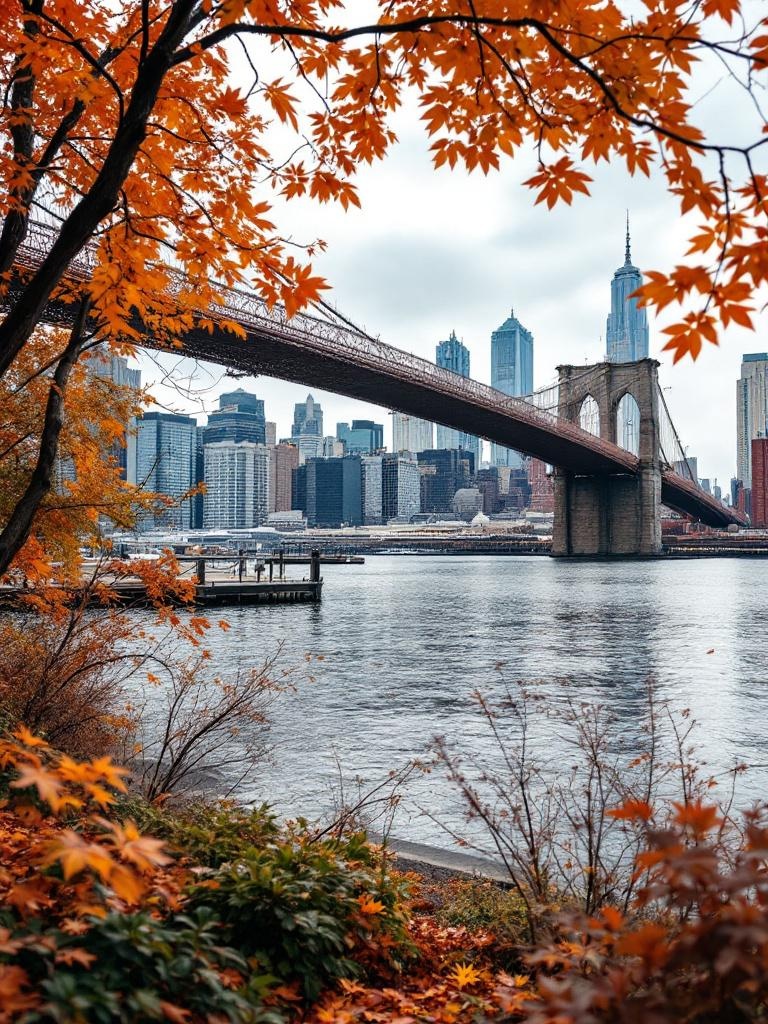
The Hudson River runs north-south along the western edge of Manhattan, which means that for the city's most iconic sunset light, you need to be on the waterfront with a clear line to New Jersey across the water. Not all spots are equal. Some give you a sliver of river between buildings. Some give you the full horizon. These five give you the full horizon, and they give it to you in ways that are different enough from each other to be worth knowing separately.
1. Pier 45, West Village
Pier 45 sits at the end of Christopher Street, extending directly west into the Hudson River. In summer, the pier's long axis aligns almost precisely with the sun's descent, creating a corridor of amber light that draws crowds every Sunday from late May through October. The pier is 800 feet long, which means that standing at the end puts you genuinely out on the water, with Manhattan behind you and the Palisades of New Jersey directly across.
The informal gathering culture that has built up around the Sunday sunset at Pier 45 is now decades old. Musicians set up without announcement, people bring blankets, and the space fills from about 7 p.m. onward in July and August. The lawn sections north of the pier head are often the best vantage point if the pier itself is packed. The concrete retains heat from the day and stays warm well into the evening in summer.
For photographers: the best light is in the thirty minutes before the sun touches the New Jersey horizon, when it catches the high floors of Hudson Yards and the western facades of the West Village brownstones simultaneously. The geometry of this only works from the western end of the pier. Moving back toward the street reduces the effect significantly.
Practical Details
Pier 45 is part of Hudson River Park. There are no entry fees, no reservations, and no official programming on Sunday evenings. The nearest subway is the 1 train to Christopher Street / Sheridan Square, a 10-minute walk west. Food trucks typically set up on the Christopher Street approach to the pier from about 6 p.m. onward on warm evenings.
2. Little Island, West 13th Street
Little Island is the most visually unusual spot on this list. The park opened in 2021 on a rebuilt pier structure in the Hudson at West 13th Street, replacing the deteriorated remains of Pier 54 where the Titanic's survivors were meant to arrive. The park is built on 132 tilting petal-shaped concrete columns, creating an elevated platform that rises 30 feet above the water. The result is a view of the Hudson sunset that is slightly elevated above street level, with the water visible in every direction except east.
The amphitheater at Little Island faces west, and on summer evenings the park hosts free and ticketed performances that coincide with the sunset window. The lawn areas on the north and south ends of the island are accessible without tickets even when the amphitheater is in use. The northern lawn, in particular, has an unobstructed view of the Hudson looking northwest, which on clear evenings captures a wide band of sky as the sun drops behind the Palisades.
Little Island is managed by the Hudson River Park Trust and is free to enter, though the amphitheater programming requires separate tickets when events are scheduled. Arrive early on summer weekends. The island has limited capacity and will close entry when full. The 8 a.m. opening means it also rewards early morning visits for a different quality of light on the water.
The thirty minutes before the sun touches the New Jersey horizon is when the Hudson River turns completely amber. This is the window these five spots are built around.
3. Riverside Park, 79th Street Boat Basin
Riverside Park runs from 72nd Street to 158th Street along the Upper West Side, and the waterfront sections between 79th and 91st Streets offer a sunset experience that is categorically different from the High Line and Lower Manhattan options. The neighborhood is residential, the crowds are local rather than tourist-driven, and the pace is slower. People walk dogs, push strollers, and sit on the benches facing west as a routine rather than an event.
The 79th Street Boat Basin is a marina that sits at the foot of 79th Street where a curved pavilion looks out over the Hudson. The basin has a floating restaurant and bar that is open seasonally. On evenings when the weather is clear and the line for a table is manageable, having a drink at the basin dock level is probably the most comfortable version of Hudson sunset watching available in the city. You are at water level, enclosed on three sides by the basin's walls, with the open Hudson to the west.
North of the basin, the path along the water continues to the 91st Street Garden, where a more formal planted area opens to the river. The garden itself is maintained by volunteers and closes at dusk, but the path continues. The views here are wider than in the basin because there are no pier structures interrupting the sight line to New Jersey.
4. Brooklyn Bridge Park, Pier 1 Lawn
This entry requires a qualification: Brooklyn Bridge Park is on the East River, not the Hudson River. It makes this list because of what it captures. From the Pier 1 lawn in Brooklyn, the view looking west includes the Lower Manhattan skyline, the Hudson River beyond it, and the sky over New Jersey beyond that. On clear evenings, the sunset colors the sky above the Hudson while simultaneously backlighting the skyline from the west, turning the buildings silhouettes of deep blue against the orange and pink of the horizon.
This is the inverse of every other spot on this list. You are watching the city catch the last light of the day rather than watching the sun descend over the water. For skyline photography, no location in the city rivals the Pier 1 lawn at Brooklyn Bridge Park in the ninety minutes before and after sunset. The Manhattan Bridge frames the scene to the north, the Brooklyn Bridge frames it to the south, and the skyline fills the middle distance.
The 1 train to South Ferry or the 4/5 to Bowling Green gets you to the Brooklyn Bridge Park ferry terminal on the Manhattan side. The East River Ferry service runs frequently and puts you on the Brooklyn Pier 1 lawn in under ten minutes. Alternatively, the A/C to High Street in Brooklyn is a 15-minute walk through Brooklyn Heights to the park entrance.
"The Hudson goes amber exactly once per day. The question is only whether you were somewhere worth being when it happened."
5. Yonkers Waterfront, Warburton Avenue
This is the furthest from Midtown on this list, and deliberately so. The Yonkers waterfront on the eastern bank of the Hudson sits about 20 miles north of the Midtown piers, and the difference in scale is significant. The Hudson here is wider, the Palisades across the water are more dramatic in elevation, and there are no skyscrapers competing with the sky. This is Hudson River sunset stripped of the Manhattan context.
The Warburton Avenue stretch in Yonkers runs along the water from the Yonkers train station south toward the Nepperhan estuary. The promenade is newer, less crowded than anything in Manhattan, and the view directly west across the river takes in the steeper, less developed section of the Palisades. On fall evenings, when the foliage on the cliff face has turned, the combination of the orange foliage, the river light, and the clear sky is one of the most photographed views on the entire Hudson corridor.
Metro-North Hudson Line from Grand Central Terminal reaches Yonkers in about 30 minutes. The waterfront is a 10-minute walk from the station. The trip rewards planning around it rather than treating it as an impulse decision: check sunset times, check the weather, and allow two hours minimum to make the journey worthwhile.
What Makes the Hudson Sunset Different from Other Cities
The Hudson River sunset is specific in a way that other waterfront cities cannot replicate. The river runs true north-south along Manhattan's western edge, and the sun in summer sets far enough north to hit the Manhattan skyline from a flat westerly angle for the last forty-five minutes of the day. The Palisades on the New Jersey side act as a reflector: their dark basalt faces absorb and then release heat that creates a warm upwelling visible as a shimmer above the horizon just before the sun drops below the cliff line.
Fall changes the character entirely. The shorter days mean the sun is already lower on the horizon by 5 p.m., and the angle of light is steeper, creating harder shadows and more saturated colors. The Palisades foliage catches on this steep light and holds color into the dusk in a way that summer's even illumination does not allow. October and early November are the peak months for Hudson River sunset photography from Manhattan's piers, and the crowds at Pier 45 and Little Island reflect this: people who have been watching the river for years know which weeks to be at the water.
Planning Your Visit: Season by Season
In June and July, the sun sets between 8:15 and 8:30 p.m. and the golden hour window starts around 7:45. These are the warmest and most crowded evenings at Pier 45 and Little Island. The light is soft and the color temperature is warm. The informal music culture at Pier 45 is at its most active. Bring a blanket and plan to stay at least an hour past sunset for the blue hour, when the skyline lights come on and the sky goes from orange to deep indigo.
In August and September, the days get shorter and the light gets more amber earlier in the day. By mid-September, the 7 p.m. crowd at Pier 45 is already in full golden hour. The warmth stays but the light quality improves. This is arguably the best overall combination of temperature, light quality, and crowd level for the West Village piers.
In October and November, the Yonkers waterfront and Riverside Park become the premier options. The foliage context changes the visual register of the river completely, and the crowds are smaller. Dress for the wind coming off the water. By late November, the sun sets before 4:30 p.m. and the light is brief and precise. Worth it for those willing to adjust their schedule around it.